
Lower fines generation
Compression breaks particles along natural weaknesses and limits the repeated impact that can create excessive powder.
Controlled compression crushing
Uniform product sizing with fewer fines, lower-speed operation and automatic overload protection. Engineered for sand, aggregates, coal and industrial minerals.
Product overview
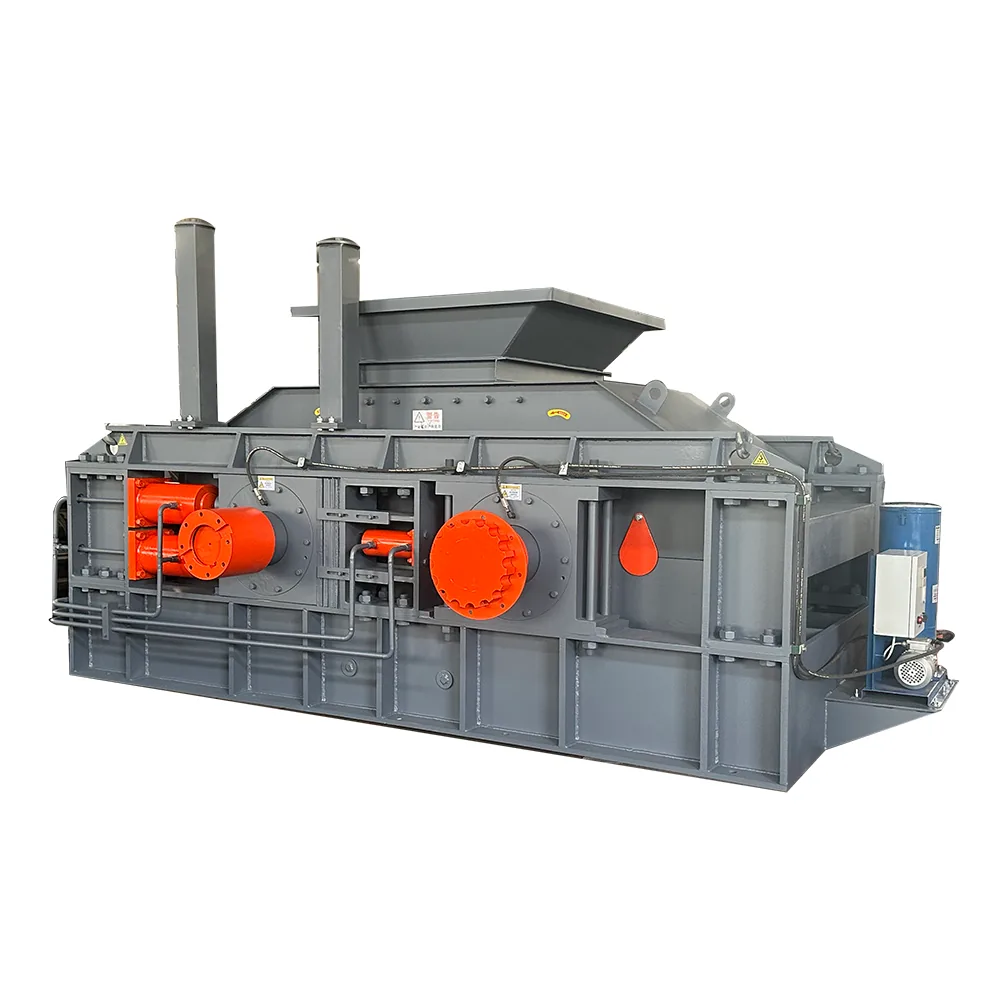
A double roller crusher pulls feed into the narrowing gap between two counter-rotating rolls. The material is compressed and sheared until it is small enough to pass through the set gap. Because crushing takes place at relatively low speed, the process can produce a more controlled particle range with less excessive pulverization.
The compact frame combines the feed hopper, twin roll assembly, independent drive units, gap adjustment and overload protection. Spring-protected models suit straightforward duties; hydraulic models provide faster adjustment and automatic retreat when tramp metal or uncrushable material enters the chamber.
How it works
Material enters evenly through the hopper and is gripped by the roll surfaces.
Counter-rotating rolls apply continuous compressive and shear force.
Only particles smaller than the preset roll gap pass to discharge.
Springs or cylinders allow the movable roll to retreat, then reset.
Designed around operating cost
The design concentrates on the parts that decide uptime: roll surface, gap stability, protection response, lubrication and service access.
Compression breaks particles along natural weaknesses and limits the repeated impact that can create excessive powder.
Thick, wear-resistant roll skins are selected for the material. The manual reports 2-3x longer service life in comparable applications.
Handwheel, spring or hydraulic mechanisms make it practical to change product size and restore a repeatable setting.
When uncrushable material enters, the movable roll retreats and returns without a lengthy chamber-clearing shutdown.
A short, rigid crushing path reduces the footprint and simplifies integration with feeders, screens and conveyors.
Automatic lubrication supports consistent bearing care, safer maintenance routines and steady continuous operation.
Performance statements are based on manufacturer documentation and comparable operating conditions. Actual results depend on material characteristics, feed grading and operating settings.
Applications and materials
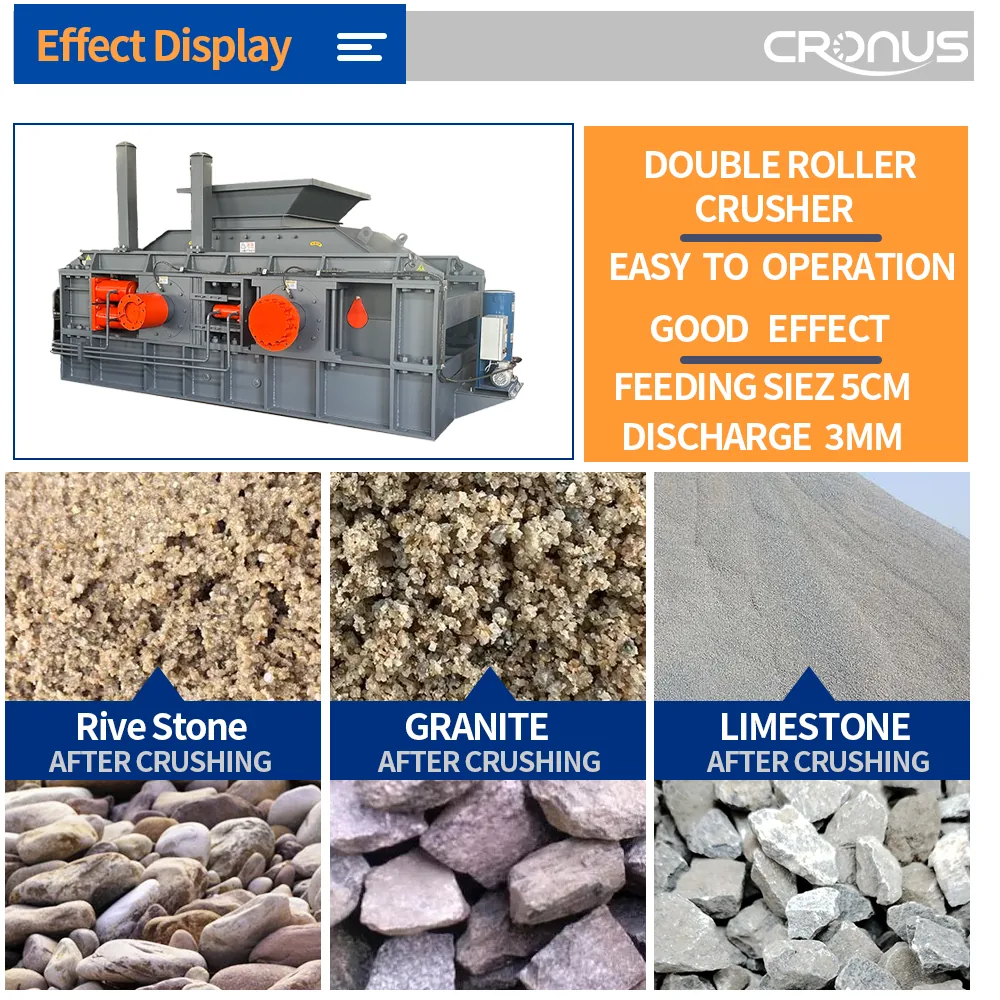
Double roll crushing is especially useful when the process needs a controlled top size, fewer fines and a compact machine between primary crushing and screening.
* Abrasive or high-hardness materials require application testing and an appropriate roll-shell specification.
Operating evidence
Field footage from installed equipment shows feed behavior, discharge consistency and the compact footprint in working plants.
Existing line retrofit with dual-drive roll crushing.
Even material presentation supports stable capacity and gap control.
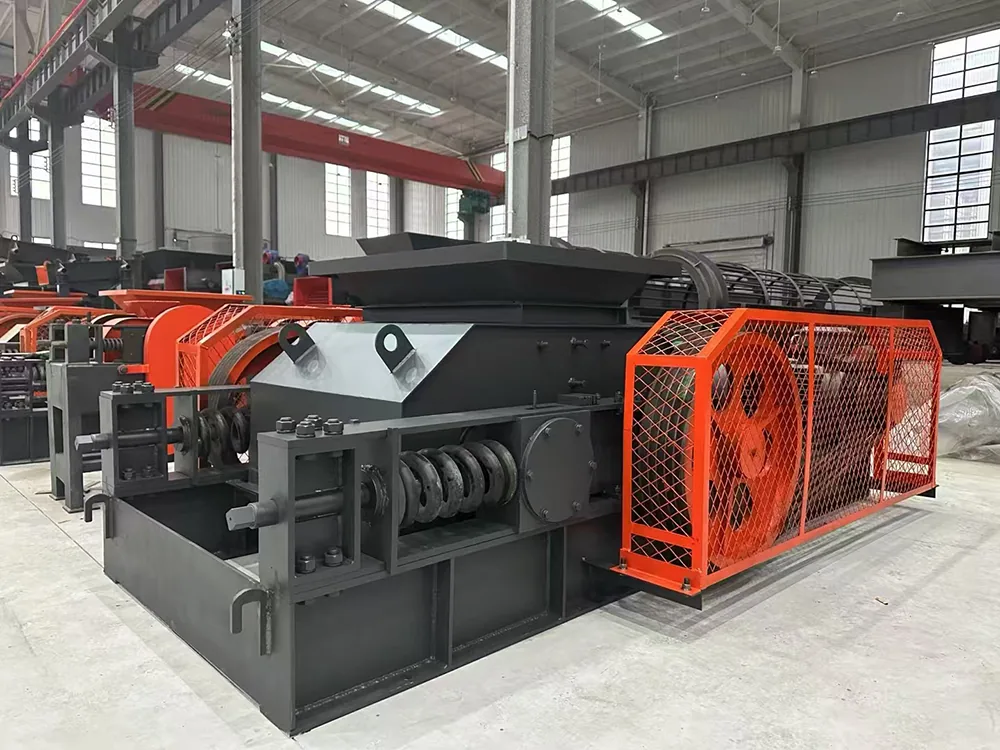
Accessible adjustment, guarded drive and rigid fabricated frame.
Technical data
Use this table for initial screening. Final selection must be confirmed against material hardness, bulk density, moisture, feed grading and the required product curve.
| Model | Roll diameter | Max feed | Capacity | Motor power | Weight |
|---|---|---|---|---|---|
| 2PGT400×250 | Ø400 mm | ≤25 mm | 2-10 t/h | 2×5.5 kW | 1.3 t |
| 2PGT400×400 | Ø400 mm | ≤25 mm | 5-12 t/h | 2×7.5 kW | 2.3 t |
| 2PGT610×400 | Ø610 mm | ≤30 mm | 5-20 t/h | 2×15 kW | 3.9 t |
| 2PGT750×500 | Ø750 mm | ≤30 mm | 10-40 t/h | 2×18.5 kW | 9.5 t |
| 2PGT800×600 | Ø800 mm | ≤40 mm | 12-50 t/h | 2×22 kW | 10.8 t |
| 2PGY800×1000 | Ø800 mm | ≤40 mm | 50-80 t/h | 2×30 kW | 13.6 t |
| 2PGY1000×800 | Ø1000 mm | ≤40 mm | 45-80 t/h | 2×30 kW | 15.9 t |
| 2PGY1000×1000 | Ø1000 mm | ≤40 mm | 50-100 t/h | 2×37 kW | 18.5 t |
| 2PGY1000×1200 | Ø1000 mm | ≤40 mm | 50-120 t/h | 2×45 kW | 19.5 t |
| 2PGY1200×1000 | Ø1200 mm | ≤50 mm | 60-130 t/h | 2×55 kW | 23.5 t |
| 2PGY1200×1200 | Ø1200 mm | ≤50 mm | 80-150 t/h | 2×75 kW | 26.5 t |
| 2PGY1500×1000 | Ø1500 mm | ≤80 mm | 120-200 t/h | 2×110 kW | 36.5 t |
| 2PGY1800×1000 | Ø1800 mm | ≤80 mm | 150-230 t/h | 2×132 kW | 36.9 t |
| 2PGY2000×1000 | Ø2000 mm | ≤100 mm | 320-350 t/h | 2×220 kW | 53.6 t |
Crusher selection guide
Choose by process duty, not by machine name. Roll crushing is strongest when top-size control and low fines matter more than accepting very large primary feed.
| Decision factor | Double roller crusher | Jaw crusher | Hammer crusher |
|---|---|---|---|
| Primary mechanism | Low-speed compression and shear | Compression between jaw plates | High-speed impact |
| Best position | Secondary and fine crushing | Primary and coarse crushing | Primary-to-fine, material dependent |
| Feed acceptance | Small to medium, controlled feed | Large, irregular feed | Medium feed, selected softer rock |
| Product curve | Narrower, gap-controlled top size | Broader and coarser | Broader with more fines |
| Dust and fines | Typically lower | Moderate | Typically higher |
| Wear pattern | Concentrated on replaceable roll shells | Jaw plates and cheek plates | Hammers, liners and grates |
| Choose it when | You need controlled sand or fine aggregate with fewer fines. | You need to reduce large run-of-mine feed. | You need a high reduction ratio and can accept more fines. |
Wear parts and spares
Wear life depends on feed abrasion, roll pressure and gap setting. Cronus supplies original parts matched to the machine serial number and operating duty, backed by its own casting resources and factory machining.
Integrated capability
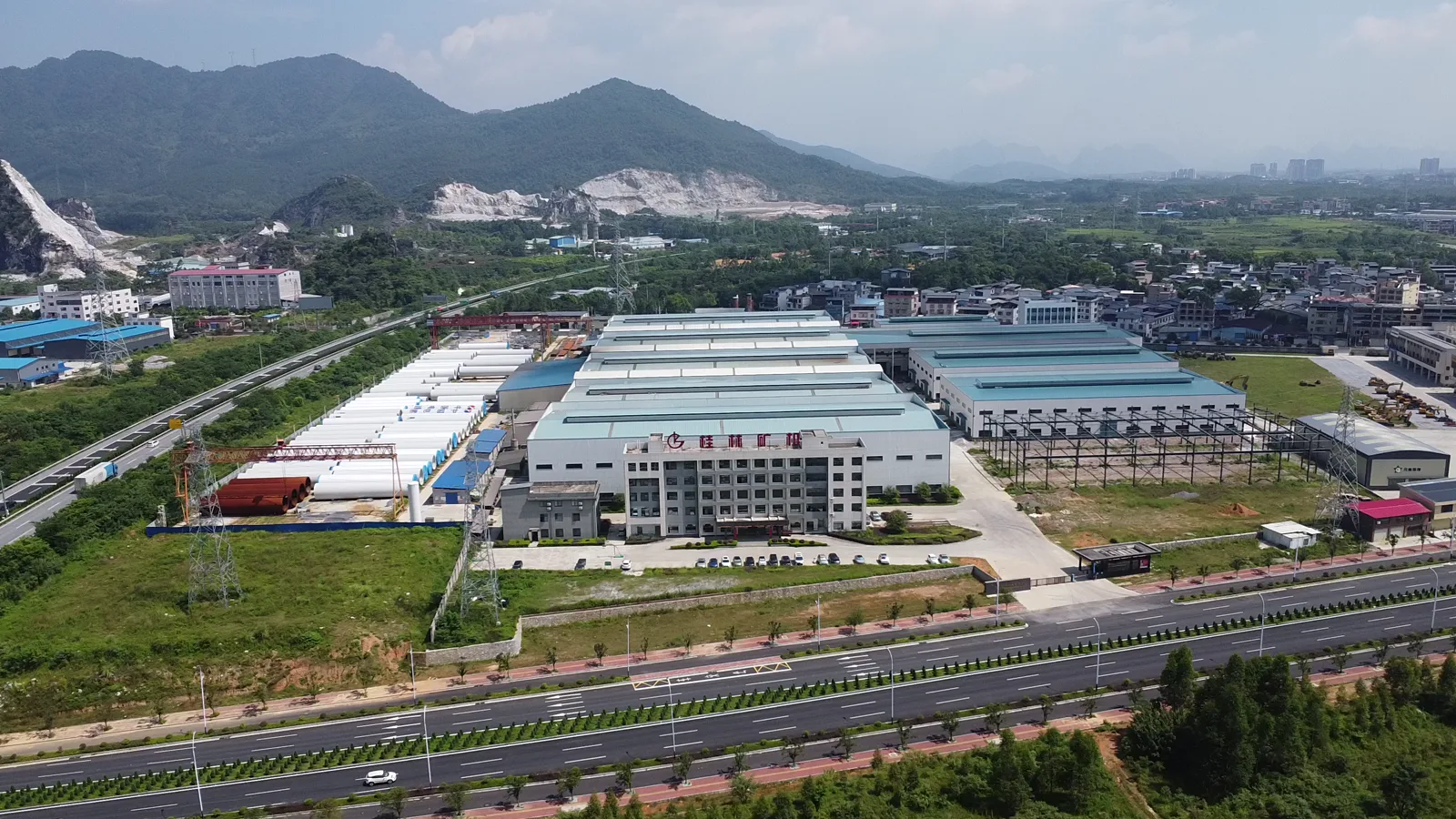
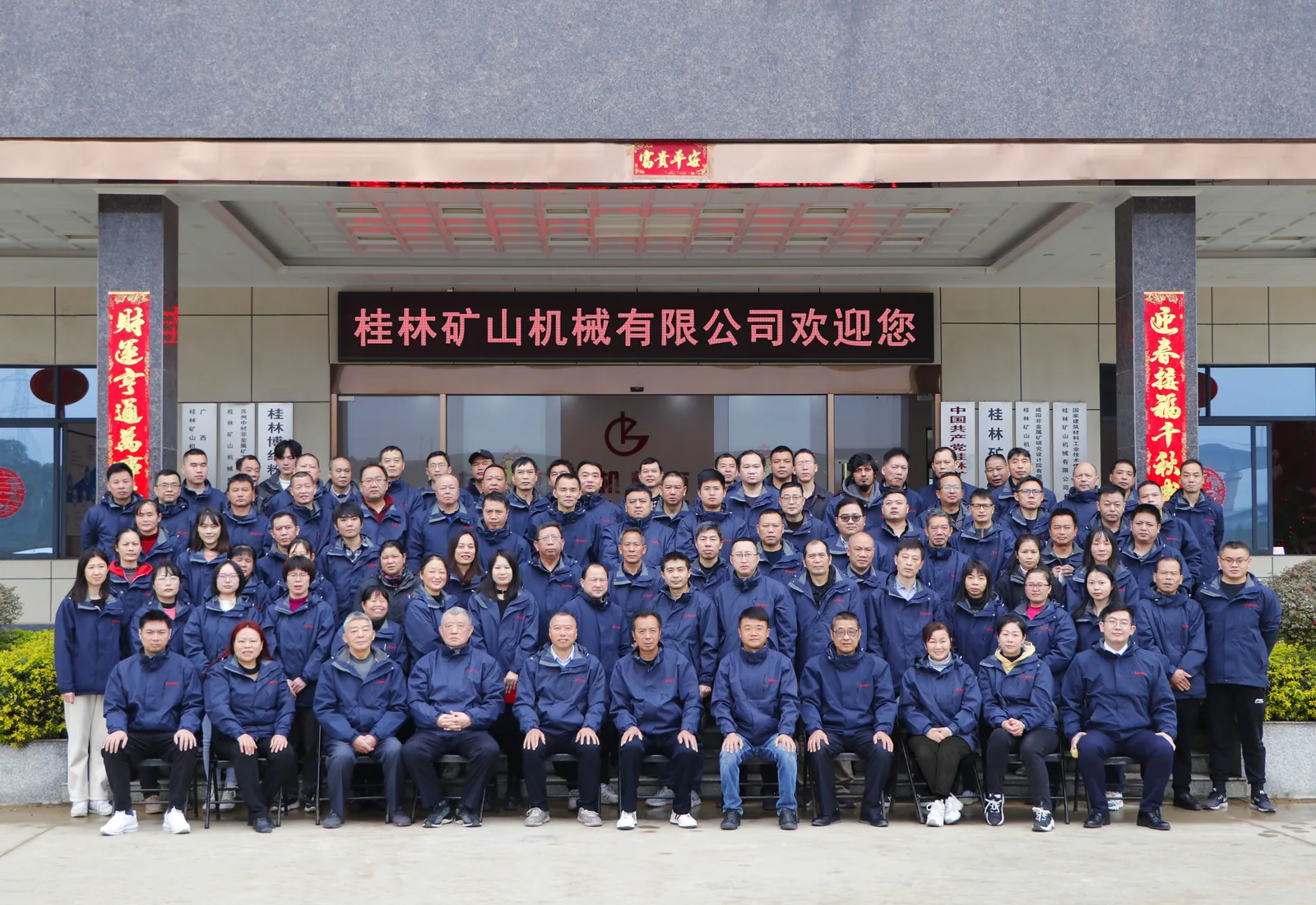
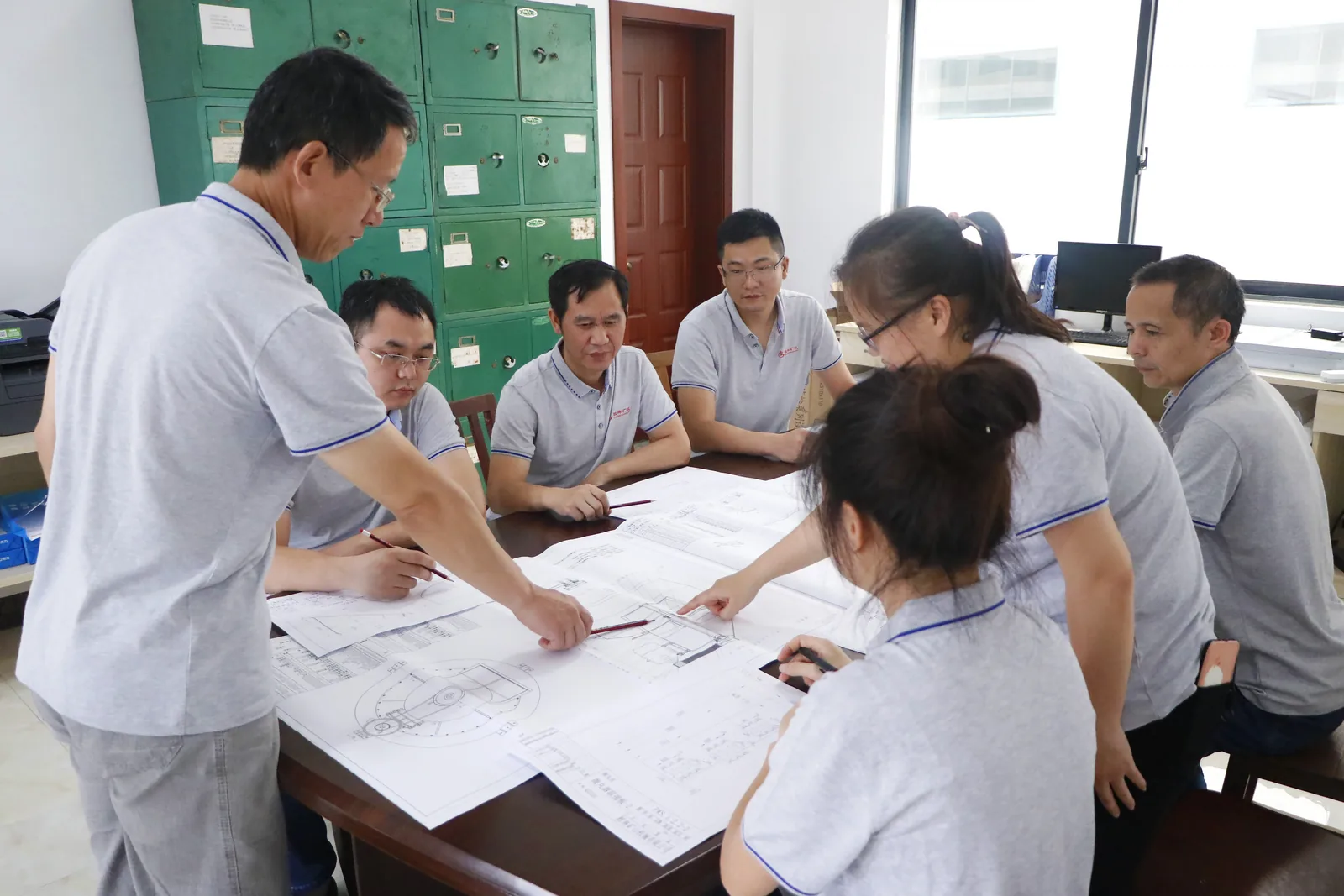
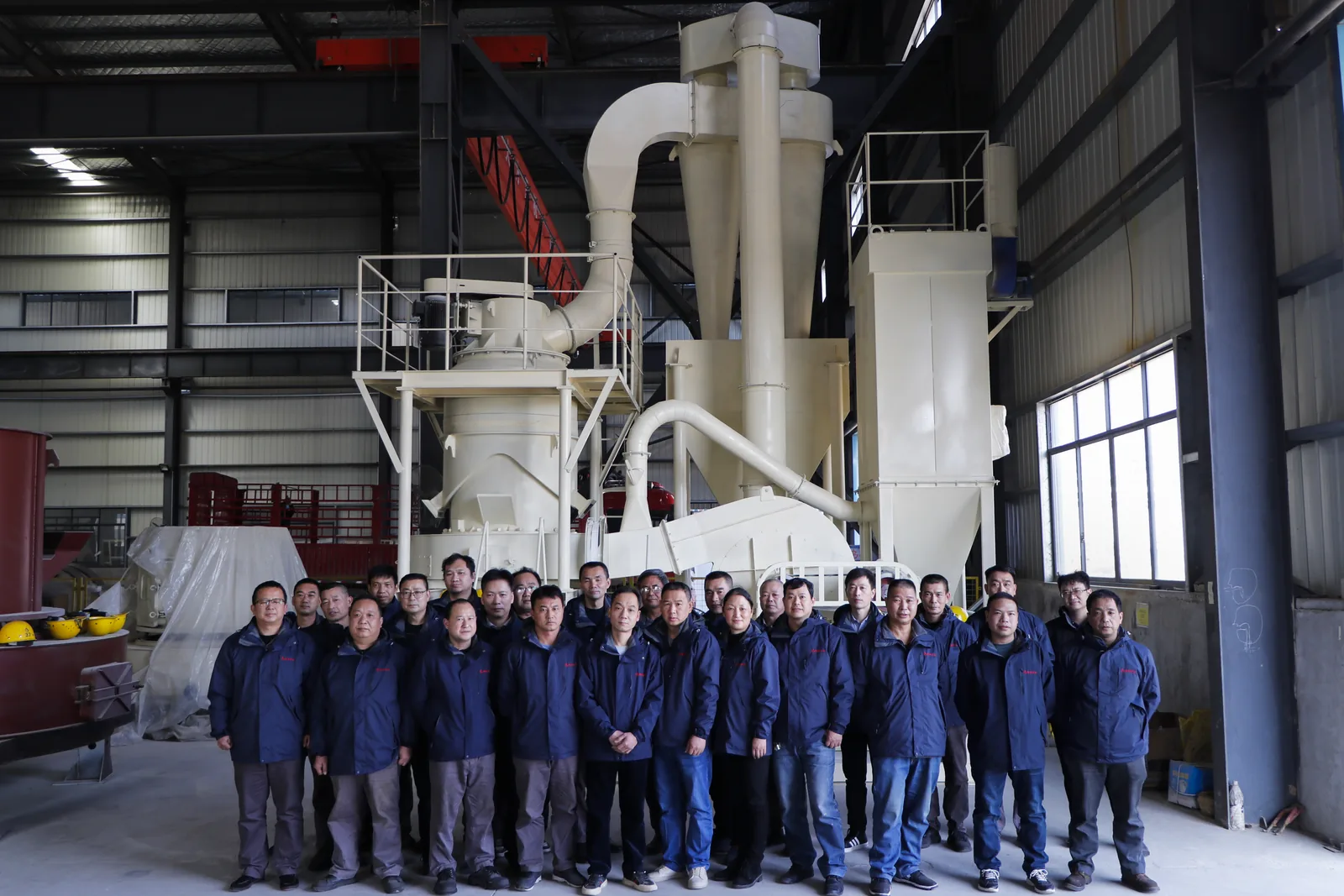
From application calculations and mechanical design to heavy fabrication, heat treatment, machining and test assembly, the team controls the critical production stages. That continuity matters when a roll shell must fit, a shaft must stay aligned or a field engineer needs the original machine record.
Our job is not to sell the largest crusher. It is to specify the machine that holds the product curve and stays maintainable at your site.
Verified capability
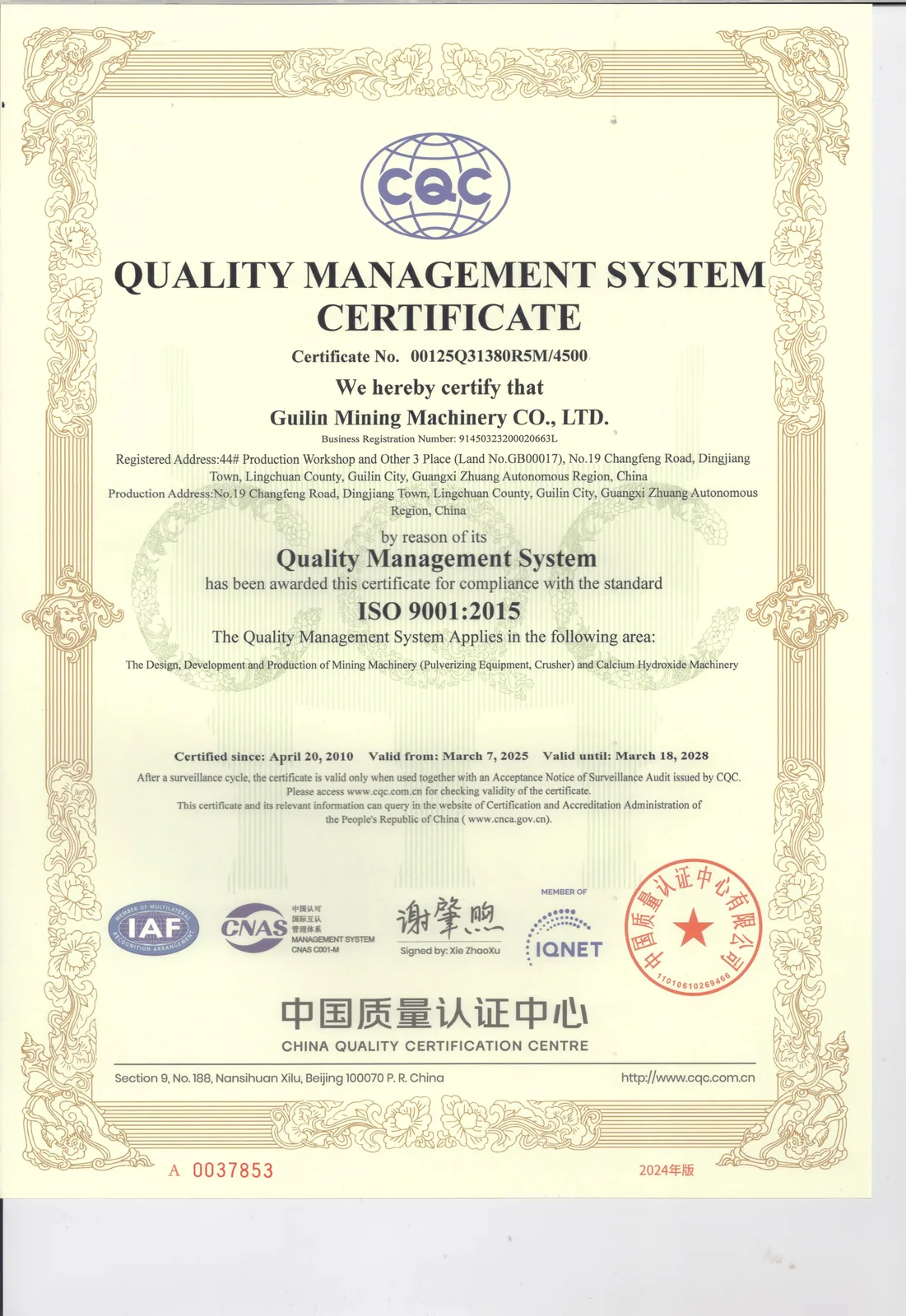
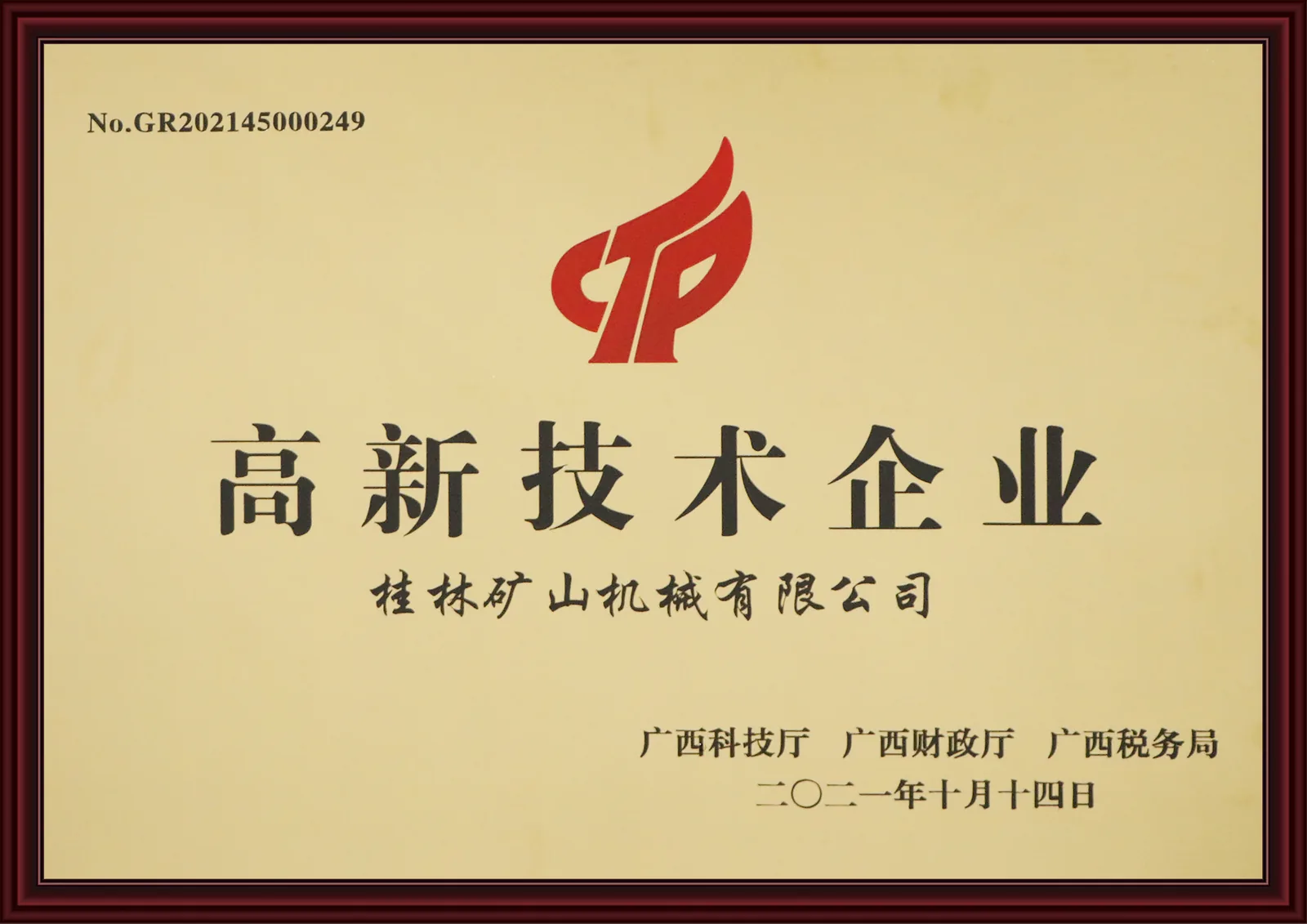
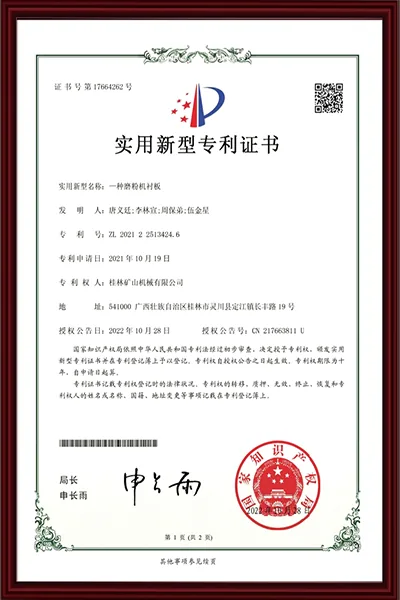
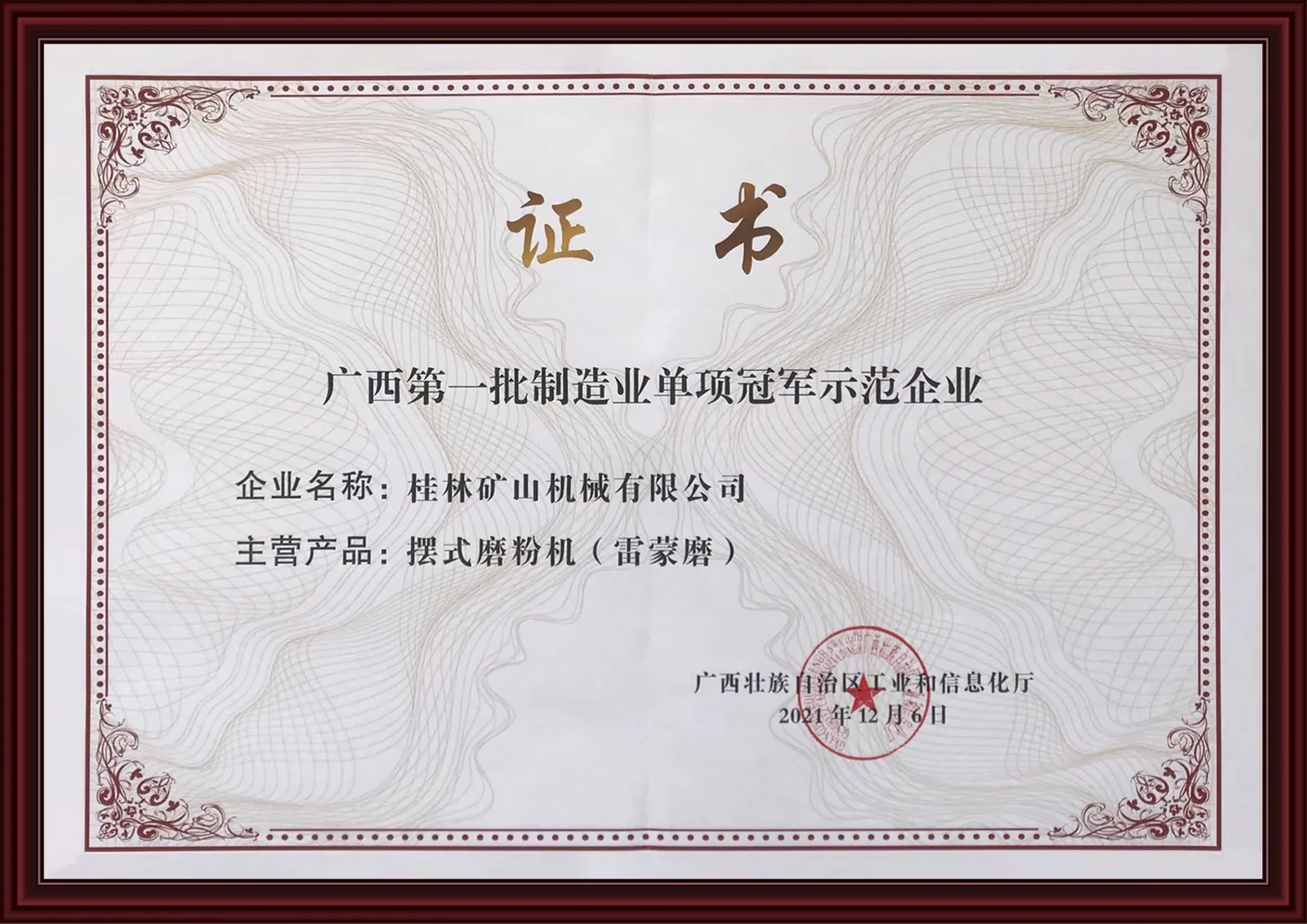
Company-level credentials supporting quality management, technology development and manufacturing capability.
Lifecycle support
A crusher performs as part of a system. Cronus reviews the duty, integration and maintenance plan before equipment selection.
Material data, product curve, capacity, moisture and site constraints.
Model selection, layout interface, feeding method and supporting equipment.
Quality records, no-load test, guarding and shipment documentation.
Installation guidance, gap setting, lubrication and operator training.
Remote diagnostics, maintenance planning and original spare parts.
Frequently asked questions
Still comparing equipment? Send a material photo and your target grading. An application engineer will narrow the model range.
Ask an engineerIt is a compression crusher that draws material between two counter-rotating rolls. The adjustable gap controls the maximum product size, making the machine useful for controlled secondary and fine crushing.
Common duties include limestone, coal, coke, clay, gypsum, salt, slag, river pebble and selected ores. Abrasive or unusual feed should be tested so the roll surface and pressure can be matched correctly.
The standard range covers approximately 2-350 t/h across 14 models. Actual capacity depends on hardness, bulk density, moisture, feed grading, roll gap and operating continuity.
The maximum discharge size is changed by adjusting the gap between the rolls. Depending on the model, this is done by a handwheel and spring assembly or a hydraulic adjustment system.
The movable roll retreats under spring force or hydraulic pressure, opening the gap so the uncrushable object can pass. It then returns to the preset operating position.
Moderately moist feed can be suitable, but sticky clay-rich material may bridge in the hopper or coat the rolls. Share the moisture and clay content so feeding and scraper arrangements can be reviewed.
For large primary feed, usually not. A jaw crusher is the conventional first-stage machine. The roller crusher is often the better next stage when a smaller, more controlled product and fewer fines are required.
It is preferable when dust, excessive fines and product top-size control are priorities. Hammer crushers provide strong impact reduction and may accept a broader duty, but commonly create a wider grading and more fines.
Roll shells are the main wear parts. Scrapers, liners, seals, bearings, springs, hydraulic seals, couplings, belts and lubrication components should also be included in the maintenance plan.
Yes. Smooth, toothed or patterned surfaces and different wear alloys can be selected according to feed grip, abrasiveness and the required product shape.
Provide material name, hardness if known, feed size distribution, desired product size, target capacity, moisture, bulk density, daily operating hours, power standard and project location.
Support includes installation guidance, commissioning, operator training, remote troubleshooting, maintenance planning and original spare parts. On-site service can be arranged according to project scope and location.
Start with your material
Share the five duty points below. Our application team will respond with a suitable model range, motor configuration and the questions needed to finalize selection.
Shanghai officeRoom 801, Building 2, Shanghai Zhicheng, No. 8666 Hunan Road, Pudong New Area, Shanghai, China